

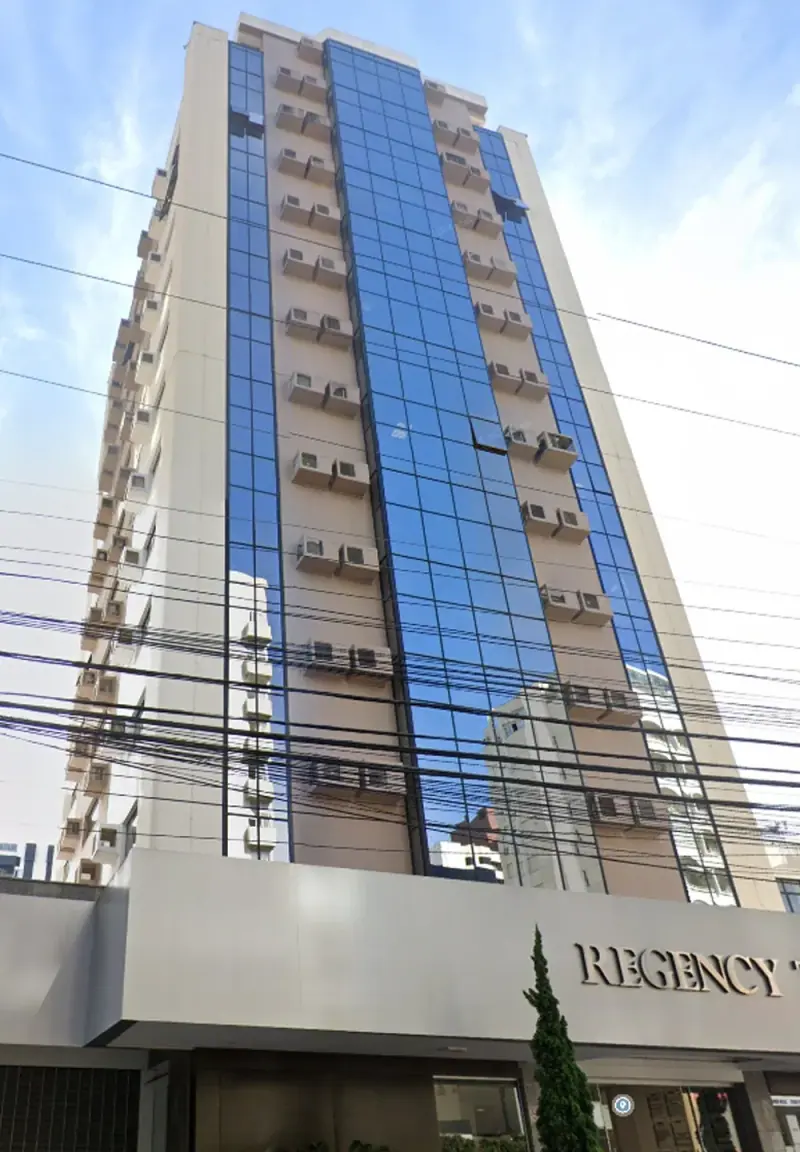
FLORIANÓPOLIS – SC
R. Dom Jaime Câmara, 179Sala 502 – Centro
CEP: 88015-120 Phone: +55 (48) 3322-1100
 Google Maps
Lost Data Recovery Services
Specialists in recovering data from SSDs with boot failures, corrupted firmware or SATAFIRM S11. Advanced reverse engineering. Request a quote!
SSDs
SSD - Solid State Drive
SSD data recovery is a Datarestore specialty, applying reverse engineering to ensure maximum efficiency. When you need SSD data recovery, our laboratory uses world-class forensic technology to restore critical access. We are a national reference in SSD data recovery for servers and high-performance workstations; our company does not work on mobile devices (smartphones or cell phones).
The procedures required in these highly complex cases are different from those of conventional repair shops. Our work is strictly focused on computing environments and enterprise infrastructure, ensuring complete data integrity through certified methods in a controlled environment.
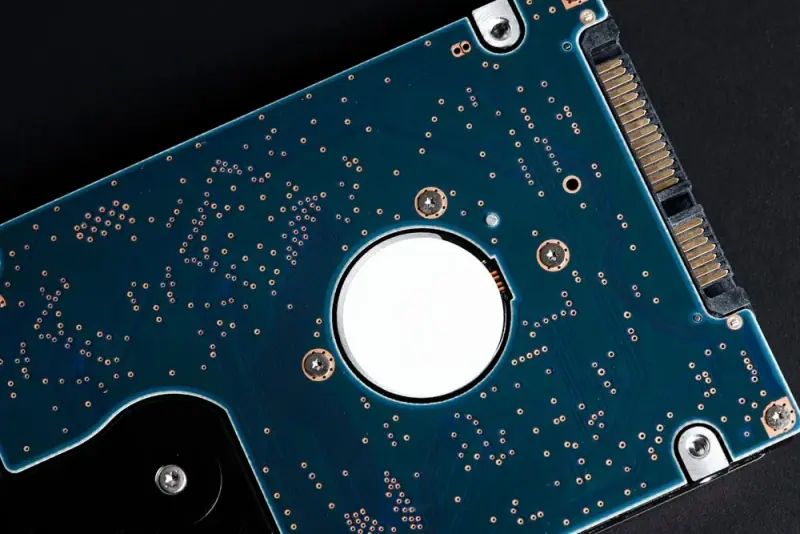
SSD Recovery
Unlike hard drives, SSDs have an extremely complex internal software layer (the firmware) that manages how data is allocated across the chips. Our laboratory uses world-class technologies for direct intervention in the logical architecture, including advanced procedures such as Translator Rebuild for firmware errors (e.g. SATAFIRM S11), controller emulation and chip-off techniques for severe physical failures.
Technical Scope Note: To keep our full focus on highly complex cases in data infrastructure and computer storage, please note that Datarestore does not provide device repair, computer formatting or software services on mobile devices, including recovery of message history, social networks or mobile apps.
Situations we handle
Frequently asked questions
Didn't find your question?
Talk to a specialist right now.
An SSD (Solid State Drive) uses flash memory to store data, with no moving parts, which makes it faster, more resistant to impacts and quieter than mechanical hard drives.
Unfortunately, it is not possible to recover data from an SSD after formatting or manually deleting files.
Unlike traditional hard drives, SSDs work differently. They have an internal routine called "TRIM", which is activated automatically when the operating system (such as Windows or macOS) tells the SSD that certain data is no longer needed — as happens right after formatting or emptying files from the recycle bin.
The main purpose of TRIM is to optimize the performance and lifespan of the SSD. Basically, when you format the SSD, the TRIM command acts quickly, marking data blocks as "empty" and preparing them to receive new information. This process erases information much more efficiently and permanently than on a hard drive, which prevents any later attempt to recover the original data.
Even with the most advanced tools and techniques in the world, once the TRIM command has acted after formatting or deletion, the data is essentially lost beyond recovery. Therefore, our SSD recovery services focus strictly on physical failures, breakage, burnt electronics, firmware corruption and devices that stopped being recognized.
Some common signs include: the SSD not being recognized, freezes, extreme slowness, “Read Only” errors, partition loss or files disappearing for no apparent reason.
We recover SSDs with SATA, NVMe, M.2, PCIe and SAS interfaces, used in laptops, desktops, storage systems and enterprise servers.
Turn off the equipment immediately and avoid turning it on repeatedly. Continuing to power a damaged controller can worsen the electronic damage or trigger the SSD's own automatic cell-cleaning routines (such as Garbage Collection), permanently erasing the remaining data. Contact us for a safe hardware-based diagnosis.
The timeframe can range from 1 to 10 business days, depending on the type of failure. Cases involving chip-off or a damaged controller may take longer.
Yes. We handle devices from all global brands, including Kingston, Samsung, Western Digital (WD), Crucial, Corsair, Intel, SanDisk and ADATA, among others. We also specialize in reversing cases where the SSD suffered a firmware failure and is now recognized by the computer under generic factory names (such as SATAFIRM S11, Phison, Silicon Motion, etc.).
It is not mandatory. If you have the technical knowledge, you can send us just the SSD, well packaged. Otherwise, you can bring or send your complete laptop or desktop computer; our engineering team will safely remove the device directly in our laboratories.
Datarestore works with strict security and confidentiality protocols, as well as agreements with specific confidentiality clauses for companies, government agencies, independent professionals and individuals.
Our Specialties
Datarestore provides hard drive data recovery, SSD, RAID server and network storage recovery services
Complete satisfaction from companies that trusted our data recovery services
 Google
 Google
Foram muito ágeis, prestativos e competentes. Nos auxiliaram em um momento muito delicado com dados importantes.
Esperamos não precisar mais dos serviços kkk, mas sempre indicaremos e procuraremos caso necessário.
 Google
foi muito bom contar com o serviço dessa empresa. Eficiente e muito atenciosos. Até finalizar todo procedimento recebi o maior suporte.
experiência positiva
 Google
Meu HD tinha parado de funcionar, tendo apresentado pequenas falhas algumas semanas/dias antes! Ele ligava e não iniciava no meu computador...
Como já tinha feito um serviço com eles em 2/2023, mandei logo para a empresa. Em menos de 20 dias, todos os meus dados foram recuperados e já tenho acesso a tudo que eu tinha.
Simplesmente sensacional. Recomendo para todos!
 Google
Atendimento muito bom.
Comprometimento com o cliente.
Trabalho muito bem executado.
Bryan um excelente profissional.
Nenhuma reclamação.
 Google
Meu HD realmente estava ruim! Era de 2010 e passou por uma queda durante um incêndio. Conseguiram recuperar meus dados mais importantes em um tempo bom (devido ao tamanho do problema). Recomendo para todos!
 Google
Atendimento excelente, eu só tenho a agradecer toda a atenção e dedicação! Havia corrompido meu HD com a minha vida dentro 😔 estava desesperada e a equipe da Datarestore, conseguiram recuperar todos os meus arquivos!!! Muito muito muito obrigada ❤️❤️
 Google
Empresa excelente, ótimo trabalho, 100% dos dados recuperados.
 Google
Empresa muito séria. Atendimento pelo Braian foi excelente, muito prestativo e competente. Resolveram o meu problema. Super indico.
 Google
Perdi todo meu servidor do escritório. O HD foi formatado e mesmo assim a equipe da DATARESTORE conseguiu todo o banco novamente. Equipe maravilhosa, atendimento exemplar. Cumprem o que prometem, inclusive no horário para retorno e atendimento. Indicação 1.000%. Plano Consult Contabilidade.
Deadlines were met, and the updates we received while the work was in progress were very important, giving us confidence throughout the entire process.

Good service, speed, flexibility and commitment to the data recovery work provided.

The company provided excellent service, fully recovering the virtual machines stored on our storage server.

QUALITY & TRUST
We offer recovery of lost files from hard drives on all systems: Windows, Macintosh, Linux, RAID, VM, NTFS, LVM, VMFS, VMDK, Novell, BSD and Sun Solaris.
In-person service
Google Maps
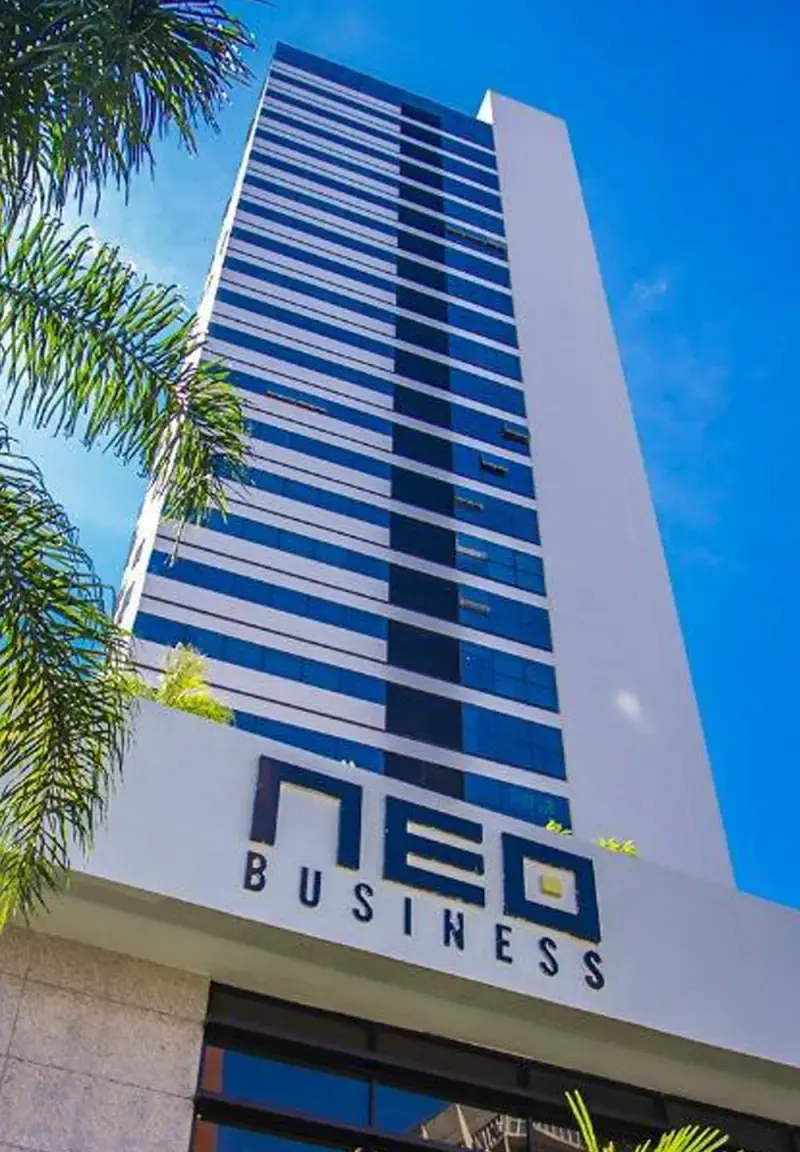 Google Maps
 Google Maps
 Google Maps
 Google Maps